Nearly 59 million adults in the United States have some form of arthritis, a group of diseases characterized by joint inflammation, stiffness, and chronic musculoskeletal pain.
Although arthritis can’t be cured, healthy lifestyle changes can ease symptoms and help you move more comfortably. One of the most effective lifestyle changes is improved nutrition.
At Arthritis Associates in San Antonio, Texas, our team of expert rheumatologists regularly counsels patients on the link between diet and arthritis symptoms. Read on to learn how inflammation and diet are linked, which foods may support joint health, and which foods to avoid.
Understanding the link between inflammation and diet
Regardless of the type of arthritis you have, inflammation is a common side effect. For instance, rheumatoid arthritis causes your immune system to attack your joint tissues and cause inflammation, while osteoarthritis causes your bones to rub against each other, which can also trigger inflammation.
You can’t prevent inflammation altogether, but the foods you eat for snacks and meals can make a big difference. Nutrient-dense, unprocessed foods are a great place to start.
Foods that may support joint health
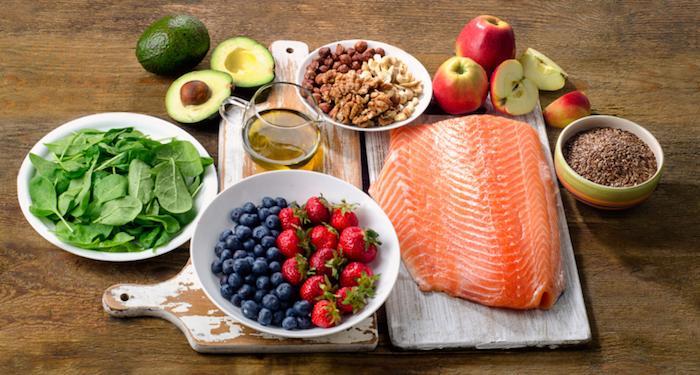
We regularly encourage people with arthritis to eat balanced, healthy diets. Although everyone’s nutritional needs vary, one of the most common diets we recommend is the Mediterranean diet. Studies show this diet may help reduce inflammation and improve outcomes in people with arthritis. It may even make it easier to lose weight, which can take pressure off your joints.
Some of the foods featured in the Mediterranean diet include:
- Fatty fish, such as salmon and sardines
- Fruits and vegetables
- Whole grains and legumes, including oatmeal, lentils, and brown rice
- Healthy fats, such as olive oil and seeds
Eating these foods won’t necessarily cure your joint pain right away, but over time, they may help you feel better and make it easier to manage your symptoms.
Foods to limit if you have arthritis
If you have arthritis, what you don’t eat matters as much as what you do. You don’t necessarily have to remove your favorite treats from your diet, but it’s important to moderate foods that may increase your risk of inflammation. These include:
- Sugar
- Refined carbohydrates, such as white bread, cakes, and pastries
- Heavily processed foods, such as sweetened breakfast cereals and processed meats
- Alcohol, particularly if it interacts with your arthritis medication
Remember that individual food triggers vary, and what causes inflammation in one person may not affect another. Our team will work with you one-on-one to develop a nutrition plan that aligns with your symptoms and goals.
Interested in using nutrition to ease your arthritis symptoms?
Eating a healthy, balanced diet helps many arthritis patients avoid flare-ups and live more comfortably. To see if the same approach can benefit you, schedule an appointment at Arthritis Associates today. Call the office or click the online booking feature.